
WELCOME PACK BONUS
OF 400% UP TO €3200
+ 200 FREE SPINS
OF 400% UP TO €3200
+ 200 FREE SPINS
Home → Blackjack
Blackjack at Lucky Seven Casino: Variants, Rules and Payouts
No Double Down on three cards
The restriction prohibiting double down actions on three-card hands directly impacts the strategic value of the Blackjack Split rule, which typically allows doubling after splitting. This limitation reduces the player's ability to capitalize on favorable starting totals, thereby increasing the effective house edge beyond the standard 0.15% observed in single-deck games. Players must rely on basic strategy adjustments that avoid doubling on three cards to minimize long-term losses during bonus wagering.
This exclusion contrasts sharply with the Liberal Vegas Strip variant, where resplitting and doubling after split are permitted under S17 rules for a superior 99.72% RTP. The absence of this feature in Lucky Seven Casino tables means players cannot leverage the DAS advantage, which normally contributes a -0.14 percentage point reduction to the house edge. Consequently, the mathematical expectation drops significantly compared to other blackjack formats available in the broader market.
The financial consequence involves higher expected loss per hour due to missed doubling opportunities on strong hands like nine against a dealer six. While slots contribute 100% to the 300% welcome bonus turnover, table games only contribute 10%, making every strategic error more costly in time terms. Players should calculate the potential gain from doubling against the increased risk of busting with a third card to maintain bankroll stability.
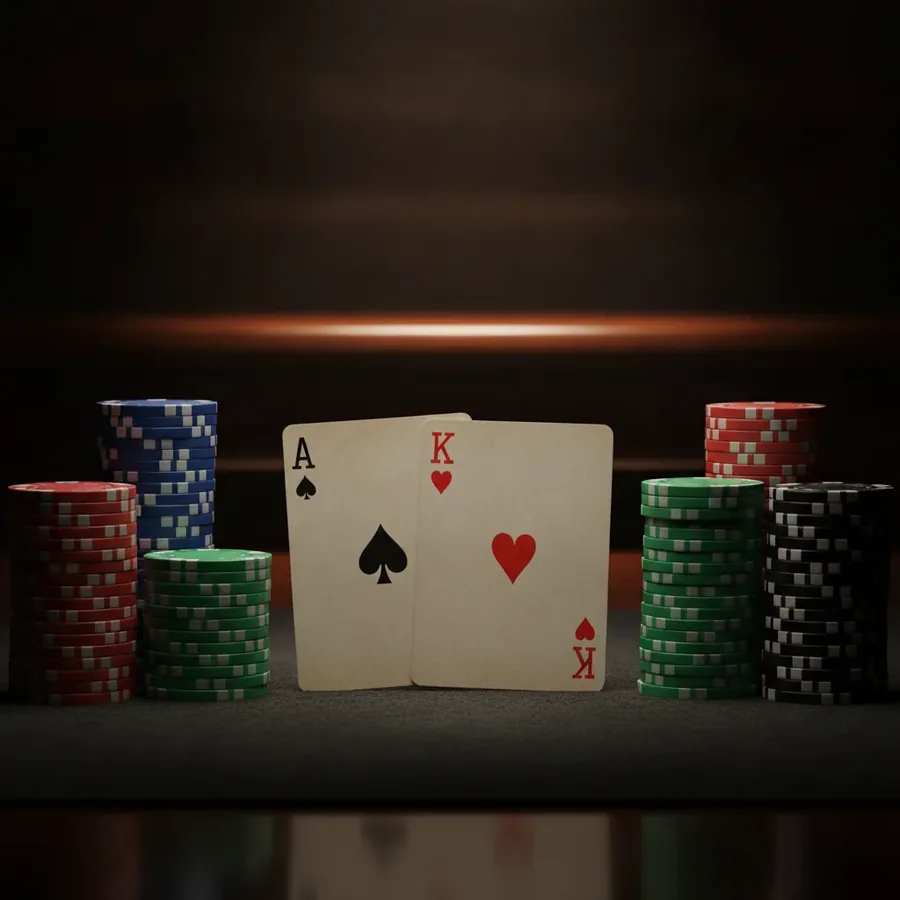
How long does a Live Blackjack round take?
Infinite Blackjack hosted by Evolution accommodates unlimited players at each table, which extends the average duration of a single round compared to standard live dealer games. With betting limits ranging from 1 to 5,000 EUR, high-stakes decisions require additional verification time, potentially slowing the pace of play for all participants at the virtual seat. This extended duration affects the hourly rate of bets placed, influencing the speed at which the wagering requirement is met.
The presence of four side bets including Any Pair and Bust It adds complexity to the deal, requiring dealers to resolve multiple outcomes before concluding the hand. Each resolved side bet consumes extra seconds, cumulatively adding several minutes to the total session time when playing through the bonus terms. A typical hour may yield fewer completed hands than slot spins, reducing the efficiency of clearing the €2,000 maximum bonus.
Lightning Blackjack introduces multiplier events up to 25x, which interrupt the standard flow to highlight winning hands with special visual effects and animations. These interruptions further delay the next deal, meaning players must account for reduced hand frequency when estimating time required for the 10% table game contribution. Strategic patience becomes essential as the slower pace demands larger individual bet sizes to meet turnover targets within reasonable periods.
Side Bet Every Round: Budget Lasts 30 Rounds
The Blackjack Insurance side bet offers a separate wager paying 2:1 if the dealer has an ace, but it carries a steep 7.47% house edge that drains bankrolls quickly. Placing this bet every round consumes the bonus budget rapidly, especially since table games only contribute 10% toward the wagering requirement of the 300% welcome bonus. A €10 insurance stake costs nearly €0.75 in expected value loss per hand, accelerating the depletion of the €2,000 max win cap potential.
Hot 3 and Bust It side bets in Infinite Blackjack provide entertainment value but suffer from negative expected returns that exceed the base game disadvantage. Since these bets do not improve the overall RTP of 99.47%, frequent use ensures the player loses money faster than the slow contribution rate allows. Maintaining a budget for thirty rounds requires strict avoidance of these high-edge wagers to preserve capital for the main game action.
Insurance is mathematically recommended against only when counting cards reach a true count of +3, a condition rarely met in multi-deck live streams using six to eight decks. For the average player following basic strategy, accepting insurance results in a net loss of approximately 5.88% on the insurance stake alone. This statistical reality dictates that skipping insurance preserves more funds for the primary blackjack hands, which offer better long-term retention rates.
Double Down vs Simple Hit on 11
Doubling down on a hard eleven against a dealer weak card maximizes expected value by leveraging the two-card advantage before drawing a third card. In games permitting DAS, this strategy yields a lower house edge of 0.46% compared to hitting, which forfeits the opportunity to increase the bet on favorable situations. Utilizing this optimal move is crucial for minimizing the impact of the 10% contribution rate from table games toward the bonus turnover.
Simple hitting on eleven leaves significant value on the table, effectively increasing the house edge by ignoring the highest probability of forming a strong twenty or twenty-one. When comparing this to the 6:5 payout variant, the combined effect of poor strategy and unfavorable payouts drastically reduces the RTP from 99.85% to below 98%. Players must strictly adhere to doubling protocols to avoid compounding errors that accelerate the loss of their deposited funds.
The financial implication of hitting instead of doubling on eleven amounts to a measurable decrease in return over thousands of hands played during the wagering period. Given that slots contribute 100% while blackjack contributes only 10%, every lost euro in the casino's favor represents ten times the effort in slot play to recover. Adhering to basic strategy ensures the lowest possible erosion of the bonus balance while navigating the restrictive terms of the welcome offer.
What doesn't count as Blackjack after Split?
A hand totaling twenty-one formed by splitting aces usually pays even money rather than the standard 3:2 natural blackjack payout in many online variants. This distinction matters because the reduced payout increases the house edge, negating some of the benefits gained from the liberal splitting rules offered at the casino. Players must recognize that not all twenty-one totals qualify for the premium bonus, affecting the overall return calculation significantly.
Splitting tens creates two separate hands starting with ten, eliminating the possibility of achieving a natural blackjack on either resulting hand from the initial deal. Since the dealer checks for blackjack immediately upon dealing, any subsequent twenty-one achieved through hits or doubles does not trigger the 3:2 bonus payment. This structural limitation reduces the frequency of high-paying outcomes, subtly shifting the odds in favor of the house over time.
The exclusion of post-split twenty-payers from the 3:2 category aligns with standard industry practices but remains critical for calculating the true cost of the bonus wagering. With table games contributing only 10% to the turnover, understanding these payout nuances helps players estimate the realistic duration required to clear the €2,000 limit. Ignoring these details leads to miscalculations regarding the actual value retained from the 300% welcome bonus promotion.
Blackjack variants at a glance
| Variant | Payout | House edge | Rule | Bet range |
|---|---|---|---|---|
| Blackjack Liberal Vegas Strip (liberale Regeln, 3:2) | 99.72% | 0.28% | Günstigste Regelkombination: S17 + DAS + Resplit + Late Surrender. Standardabweichung 1,15 | Blackjack 3:2, Gewinn 1:1 |
| Blackjack 6 Decks, S17, DAS, DOA, Auszahlung 3:2, Basisstrategie | 99.54% | 0.46% | Dealer steht auf Soft 17; Verdopplung auf jeder Zweierkarte; Verdopplung nach Split erlaubt; keine Aufgabe. Basisstrategie ist für diesen Wert zwingend | Blackjack 3:2, normaler Gewinn 1:1, Insurance 2:1 |
| Blackjack Surrender (Late Surrender) – Regel-Effekt | n.a. (Regel-Modifikator) | −0.08 Prozentpunkte | Spieler gibt Hand nach Dealer-Blackjack-Prüfung auf, verliert die Hälfte des Einsatzes. Verbessert RTP um ca. 0.08 Prozentpunkte. Early Surrender ist wesentlich wertvoller (bis −0.6 Prozentpunkte), aber extrem selten. | Rückzahlung 50% des Einsatzes |
| Blackjack Ein Deck, klassische Regeln, 3:2 | 99.85% | 0.15% | Weniger Decks = niedrigerer Vorteil; ein Deck gibt ca. −0.48 Prozentpunkte gegenüber 8 Decks. Oft durch 6:5 Auszahlung kompensiert. | Blackjack 3:2, Gewinn 1:1 |
| Blackjack Insurance / Versicherung (6–8 Decks) | 92.53% | 7.47% | Separate Nebenwette bis 50% der Hauptwette, wenn der Dealer ein Ass hat. Basisstrategie schreibt IMMER Ablehnung vor (außer Karten zählen bei True Count ≥ +3). Bei einem Deck Vorteil ≈ 5.88% | Insurance 2:1 |
| Blackjack Split / Double / H17 – Regel-Effekte | n.a. (Regel-Modifikatoren) | H17 +0.22 Prozentpunkte; RSA −0.08 Prozentpunkte; DAS −0.14 Prozentpunkte | Dealer Hits Soft 17 verschlechtert RTP um 0.22 Prozentpunkte; Resplit Aces verbessert um 0.08 Prozentpunkte; Double After Split verbessert um ca. 0.14 Prozentpunkte; 6 Decks statt 8 – ca. 0.02 Prozentpunkte. | Double – Einsatz ×2 mit einer Karte; Split – bis 4 Hände; Ass-Split meist mit einer Karte. |
Stand-on-17 Rule and Its Meaning for Players
The dealer stands on Soft 17 rule significantly impacts the house edge in blackjack variants offered at Lucky Seven Casino. This specific configuration reduces the casino's advantage by approximately 0.22 percentage points compared to tables where the dealer hits soft seventeen. Players utilizing basic strategy can therefore expect a lower long-term cost of play when selecting these specific game rules over others.
Blackjack Liberal Vegas Strip utilizes this favorable stand-on-17 condition alongside other liberal rules like double after split. The combination results in a house edge of only 0.28 percent, which is among the most player-friendly statistics available. This mathematical advantage directly translates to slower bankroll depletion for strategic players who adhere strictly to optimal decision-making charts during gameplay sessions.
Standard six-deck games often feature dealers hitting soft seventeen, which increases the house edge to 0.46 percent or higher. The difference between standing and hitting creates a measurable gap in expected return over thousands of hands played consecutively. Players should verify the specific table rules before joining to ensure they are not paying extra for inferior dealer standing conditions.
Six Decks to Eight Decks in the Shoe
Blackjack Six Decks, S17, DAS, DOA offers a base house edge of 0.46 percent with a theoretical return to player rate of 99.54 percent. This variant requires strict adherence to basic strategy to maintain the stated mathematical advantage for the participant over extended playing periods. The use of six decks strikes a balance between shuffle frequency and card penetration depth for consistent game flow.
Infinite Blackjack from Evolution uses a continuous shuffling mechanism that effectively eliminates traditional deck counting advantages while maintaining an RTP of 99.47 percent. This live dealer format allows unlimited seats at the virtual table, accommodating high-volume players without the constraints of physical seating limits. The constant reshuffling ensures every hand starts with a full complement of cards, altering variance profiles compared to shoe-based games.
Lightning Blackjack also employs a multi-deck shoe but introduces random multipliers up to 25x on winning hands, changing the volatility structure entirely. Despite these exciting side features, the core game maintains an RTP of 99.56 percent, slightly higher than the infinite version. Players must adjust their bankroll management strategies to account for the higher variance introduced by these multiplier events during active play.
The transition from single deck to eight deck games typically increases the house edge by roughly 0.48 percentage points due to reduced card penetration. Single deck games often compensate for this with less favorable rules like six-to-five payouts, negating the inherent mathematical advantage of fewer decks. Understanding this trade-off helps players select games that offer genuine value rather than just superficial promotional appeals.
Blackjack Contributes Only 10 Percent to Wagering
The 300% welcome bonus up to €2,000 plus 100 free spins comes with specific contribution rates that heavily favor slot machine gameplay over table games. Blackjack contributes only 10 percent toward the wagering requirement, meaning every €100 wagered on blackjack counts as merely €10 toward clearing the bonus. This restriction forces players to engage with slots to meet turnover conditions efficiently, as table games progress the clearance metric very slowly.
For a maximum bonus of €2,000 with a standard 40x wagering requirement, the total turnover needed is €80,000 if played exclusively through slots. If a player attempts to clear this using blackjack, they would need to wager €800,000 because each bet only counts ten percent. This disparity makes it mathematically impractical to use table games as the primary method for unlocking the withdrawn funds from the initial deposit match.
Slot machines contribute 100 percent to the wagering requirement, providing the fastest route to converting bonus credits into withdrawable cash balances. A player betting €10 per spin on a slot machine sees their wagering target decrease by the full €10 amount immediately. In contrast, the same €10 bet on blackjack reduces the target by only €1, requiring ten times more volume to achieve identical progress.
The 100 free spins included in the package typically apply to selected slot titles and generate winnings subject to separate wagering terms. These spins do not count toward the main bonus turnover but create additional funds that may carry their own withdrawal restrictions. Players should prioritize using these spins on high-RTP slots to maximize potential returns before engaging with the restricted table game contributions.
Double Down after Split: which tables allow it
Blackjack Six Decks, S17, DAS, DOA explicitly permits doubling down after splitting any pair, including aces, which significantly lowers the house edge to 0.46 percent. This rule allows players to capitalize on favorable starting cards after a split, increasing the overall expected value of the hand considerably. Without this option, the house edge would rise substantially, reducing the long-term profitability for skilled participants.
Blackjack Liberal Vegas Strip also includes Double After Split (DAS) as part of its liberal rule set, contributing to its superior 0.28 percent house edge. The ability to double on split hands provides strategic flexibility that mitigates losses in volatile situations where the original split cards show weakness. This feature is critical for maintaining the low house advantage associated with this specific variant type.
Many standard blackjack tables restrict doubling after split to only non-ace pairs or prohibit it entirely, increasing the casino's mathematical advantage. Tables lacking this rule often compensate with other minor benefits, but the loss of DAS usually outweighs those small concessions in expected value. Players seeking optimal conditions must verify this specific rule availability before placing bets on any new table.
Resplitting Aces (RSA) is another related rule that improves player odds by allowing further splits of aces, though often limited to one card per ace. While not universal, combining RSA with DAS creates a highly favorable environment for aggressive betting strategies during favorable deck compositions. Verifying both rules together provides a more accurate assessment of the true house edge for advanced players.
Infinite Blackjack vs Classic Seven-Seat Table
Infinite Blackjack from Evolution offers unlimited seating capacity, removing the physical constraint of seven seats found in classic land-based style tables. This format accommodates high-volume traffic without forcing players to wait for an open chair, ensuring immediate access to the game action at all times. The digital nature allows for continuous play without the delays associated with physical chip handling or seat rotation.
Classic seven-seat tables often feature stricter interaction protocols and slower game speeds due to manual dealer operations and physical card dealing procedures. Infinite tables utilize automated systems that deal instantly, increasing the number of hands per hour and potentially accelerating bonus wagering requirements. However, the faster pace may increase variance for players not adjusting their bet sizing accordingly.
Lightning Blackjack adds a unique twist to the infinite format by introducing random multipliers up to 25x on winning hands, creating high-volatility opportunities. This variant maintains an RTP of 99.56 percent while offering the chance for significant payouts on relatively small base wagers. The combination of unlimited seats and multiplier features distinguishes it sharply from traditional static table layouts.
Bet limits also differ significantly between formats, with Infinite Blackjack supporting stakes from 1 EUR to 5,000 EUR, catering to both casual and high-roller segments. Lightning Blackjack ranges from 1 EUR to 2,500 EUR, reflecting its riskier multiplier-based payout structure. Players should choose based on their preferred volatility level and maximum acceptable bet size for each session.
Error insurance: 7 percent additional house edge
Blackjack Insurance creates a separate side bet that pays 2:1 when the dealer holds an Ace, but this specific wager carries a steep house edge of 7.47 percent for games using six to eight decks. This elevated cost significantly reduces the overall return to player, dropping the effective RTP down to 92.53 percent compared to standard game rules. Players relying on basic strategy should always decline this offer unless they employ advanced card counting techniques where the true count reaches plus three or higher.
The substantial seven point four seven percent advantage held by the casino makes this option mathematically unfavorable for the average participant seeking long term value. While the immediate payout appears attractive at double odds, the frequency of winning hands does not compensate for the high rate of loss over time. Consequently, the expected value remains deeply negative, eroding bankrolls faster than standard table play would under identical betting conditions and stake levels.
Adopting strict avoidance of this side bet preserves the original mathematical integrity of the main game, allowing players to focus on the primary blackjack mechanics instead. The separate nature of this wager means it does not contribute positively to any potential bonus turnover requirements, which are typically weighted at ten percent for table games. Ignoring this costly option is the most prudent financial decision available to disciplined gamblers aiming to minimize their total exposure to the house advantage.
Latency under 2 seconds at the live table
Lightning Blackjack hosted by Evolution Entertainment features a maximum stake limit of two thousand five hundred euros while offering unlimited seating for all registered participants. This specific title includes special lightning multipliers that can reach up to twenty five times the original win amount on selected successful hands during the round. The technical infrastructure supporting these rapid payouts ensures that latency remains consistently under two seconds, maintaining a smooth and uninterrupted gaming flow for every user logged in.
Infinite Blackjack also provided by Evolution allows wagers ranging from one euro to five thousand euros with no upper cap on the number of concurrent players. Four distinct side bets including Any Pair, 21 Plus 3, Hot 3, and Bust It are available alongside the main game, each contributing to the overall entertainment value. The streaming technology delivers real time action with minimal delay, ensuring that every card dealt and every multiplier triggered is visible to the viewer without perceptible lag or buffering issues.
Blackjack Party presents a different atmosphere with stakes between one and one thousand euros, featuring two active moderators who engage with the audience throughout the session. Despite the social elements and party theme, the underlying technical performance mirrors industry standards with response times staying well below the two second threshold for all interactions. This consistency guarantees that strategic decisions based on visible cards are executed instantly, preventing any disadvantage caused by slow data transmission or delayed dealer actions across the platform.
Blackjack Payout 3:2 Explained in Detail
A standard blackjack hand paying at 3:2 ratios returns one hundred fifty euros for every one hundred euros wagered, representing the most favorable payout structure available in modern casinos. This generous ratio contrasts sharply with the inferior 6:5 alternative, which only returns one hundred twenty euros for the same initial stake, creating a significant disparity in expected returns. The difference amounts to exactly one point three nine percentage points added to the house edge, making the 3:2 version substantially more profitable for skilled players over extended sessions.
Switching from a 3:2 payout to a 6:5 structure increases the casino's advantage from zero point four six percent to one point eight five percent in a six deck game. This shift represents the single largest negative impact on player profitability achievable through rule modifications, outweighing other changes like dealer hitting soft seventeen or restrictions on doubling. Players encountering tables offering only 6:5 payouts face a mathematical disadvantage nearly four times greater than those playing at traditional 3:2 tables with standard rules applied.
Liberal Vegas Strip rules combine the optimal 3:2 payout with additional beneficial conditions such as standing on soft seventeen and resplitting aces, resulting in a house edge of just zero point two eight percent. This configuration offers the highest theoretical return among common variants, providing a clear financial advantage to those who adhere strictly to basic strategy charts during every hand played. Avoiding 6:5 tables is essential for maintaining positive expected value, as the reduced payout immediately erodes any gains achieved through superior decision making or card counting systems.
Statistics display saves the last 100 rounds
The statistical interface tracks historical performance data, storing the outcomes of the previous one hundred rounds to provide players with transparent insights into recent game trends and variance patterns. This feature allows users to analyze results from both standard blackjack tables and specialized variants like Lightning Blackjack, where multipliers up to twenty five times can drastically alter individual hand values. Accessing this history helps gamblers understand volatility spikes and make informed decisions about bet sizing based on observed short term fluctuations rather than purely theoretical probabilities.
Tracking the last one hundred rounds reveals how often specific events occur, such as dealer blackjacks or successful side bets like Hot 3 or Bust It in Infinite Blackjack. Since these side bets carry different risk profiles and payouts, reviewing past outcomes assists players in evaluating whether the current session aligns with expected statistical distributions over time. This retrospective analysis does not predict future results but offers context regarding the randomness inherent in each spin or deal within the controlled environment of the live studio.
Understanding the stored data enables better bankroll management by highlighting periods of high variance where losses may accumulate rapidly despite correct strategic choices. For instance, recognizing a sequence of unfavorable outcomes in the last one hundred hands might prompt a player to reduce stakes temporarily to preserve capital until luck balances out. This disciplined approach mitigates the emotional impact of losing streaks and supports long term sustainability by preventing impulsive betting behavior driven by temporary bad runs.
How much time is left for the decision?
Standard blackjack rounds require players to act within a strict timeframe, typically allocating between fifteen and thirty seconds for each decision including hitting, standing, splitting, or doubling down. This duration ensures that the game maintains a brisk pace suitable for high volume play, particularly important in live dealer settings where multiple participants await their turn simultaneously. Missing the deadline usually results in an automatic stand on hard totals or a loss on certain side bets, emphasizing the need for quick yet accurate strategic execution during active gameplay.
In Lightning Blackjack, the presence of lightning multipliers adds complexity to the timing requirement, as players must decide whether their hand qualifies for enhanced payouts before the round concludes. The window for action remains consistent with standard tables, but the potential for twenty five times winnings encourages faster processing of decisions to maximize engagement with these special features. Delays beyond the allotted period forfeit any chance of benefiting from these multipliers, effectively reducing the hand to its base value without additional bonuses or rewards applied.
Infinite Blackjack accommodates unlimited players while maintaining the same time constraints per decision, requiring efficient communication between the dealer and all seated participants to avoid bottlenecks. Side bets like Any Pair or 21 Plus 3 often have separate betting windows that close earlier than the main game decisions, necessitating early placement of these wagers. Managing time effectively ensures that all bets are placed correctly and that no opportunities for increased returns are missed due to hesitation or misunderstanding of the clock limits.
Contact
Live - online chat
Banking









Providers












lucky seven casino 2025